Edinburgh, UK Players2-10 Avg escape49:42 TERPECA Featured
The Cutting Room
Locked in Edinburgh
A macabre, enthusiast-leaning room built inside a real historic veterinary setting. Expect dense puzzles, strong atmosphere and a creepy rather than horror-led tone.
TERPECA2023Featured roomTERPECA2022Featured roomTERPECA2021Featured roomTERPECA2020Featured room
The Story
Macabre, Immersive, Smart
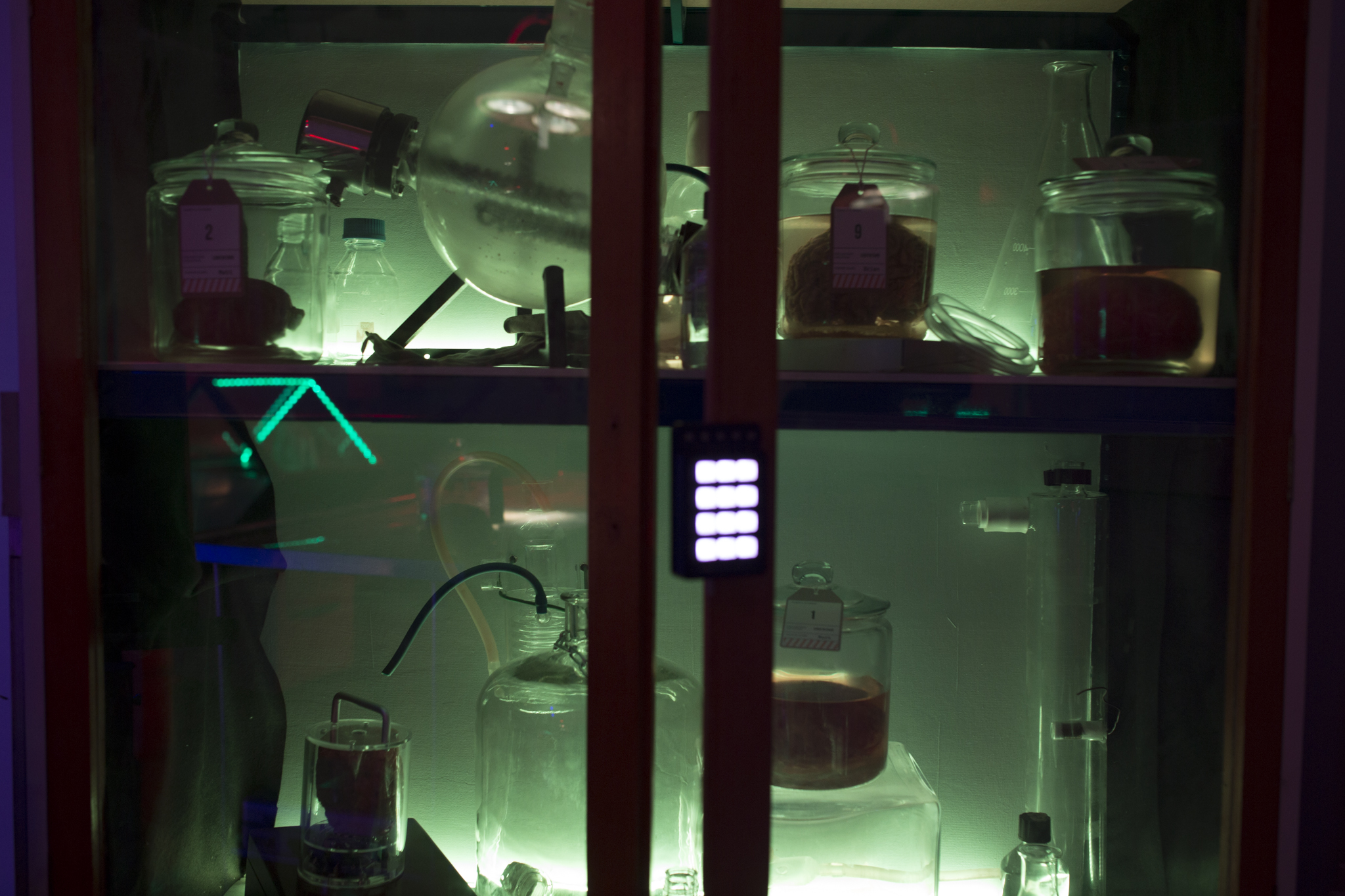
The Cutting Room is the sort of room enthusiasts travel for: bleakly atmospheric, carefully built, and rooted in a genuinely unusual setting. A former veterinary building is not just dressing here, it is the backbone of the experience, with laboratory and dissection spaces used to make the whole thing feel unnervingly specific rather than generically spooky. It is creepy rather than properly scary, which suits the material well.
Its best trick is how naturally the theme carries the gameplay. The clue system is woven in so neatly that “The themed clue system blended in so well, it felt part of the set.” That kind of integration matters here, because the room is trying to sustain tension through immersion and environment, not through jump scares or theatrical horror. The result is an old-school, purposeful feel that should land strongly with serious teams.
Puzzle-wise, this is busy and rewarding. There is a lot to do, with a mix of practical interaction, decoding and original ideas, and the room seems happiest when players are willing to work methodically through a dense sequence of tasks. The design is not flawless, and some logic may feel a touch stretched, but the overall effect is more satisfying than frustrating for teams that enjoy being kept occupied.
The space itself sounds generous, which helps the sense of being inside a real working history rather than a compact puzzle box. That said, it is probably best approached with a smaller or medium-sized group. Four or five is likely the sweet spot, because larger teams may find some players drifting on the sidelines while others solve the current bottleneck. Two is possible, but it sounds like hard work.
For the right audience, though, this is a strong Edinburgh booking. It has the kind of atmosphere, originality and puzzle density that make a room memorable long after the final unlock. If you want clean, brightly signposted progression, look elsewhere. If you want a rich, eerie, enthusiast-friendly game with genuine character, The Cutting Room deserves attention.
How It Compares
The Cutting Room is a setting-led puzzle room with strong atmosphere and a busy, hands-on feel. It suits enthusiasts who want originality and immersion more than spectacle, while the creepiness stays measured rather than outright terrifying.
Puzzle Focus
Very Strong
Immersion
Very Strong
Technology
Good
Scare Factor
Moderate
Physicality
Moderate
Uniqueness
Very Strong
What To Expect
Historic setting
Move through old laboratory and dissection spaces that shape the room’s entire identity.
Dense puzzle flow
There is plenty to solve, with a busy sequence of observations, decoding and practical tasks.
Creepy tone
The subject matter unsettles without leaning on jump scares or full horror theatrics.
Hands-on mechanics
Practical props and well-integrated clues keep the experience tactile and satisfyingly themed.
What Players Are Saying
The clue system blends into the set so well that it feels like part of the room itself.
ThemingThe old dissection-room backdrop gives the whole experience a properly eerie pull.
SettingPacked with smart, hands-on ideas, it keeps the pace lively from beginning to end.
PuzzlesReady To Play?
Book your mission.
Spots can change quickly. Gather your team, compare options, then choose the room that best fits the night.
Continue comparing
Same company
All by Locked in Edinburgh More from Locked in Edinburgh

Edinburgh
All in Edinburgh