Bath, UK Duration60 min
Six Locked Doors
Bath Escape
A classic lock-first escape room that sounds built around steady progression through a chain of barriers. Public evidence suggests a stripped-back, puzzle-led game with modest ambition rather than a heavily themed showcase.

The Story
A Lock-Heavy Gauntlet
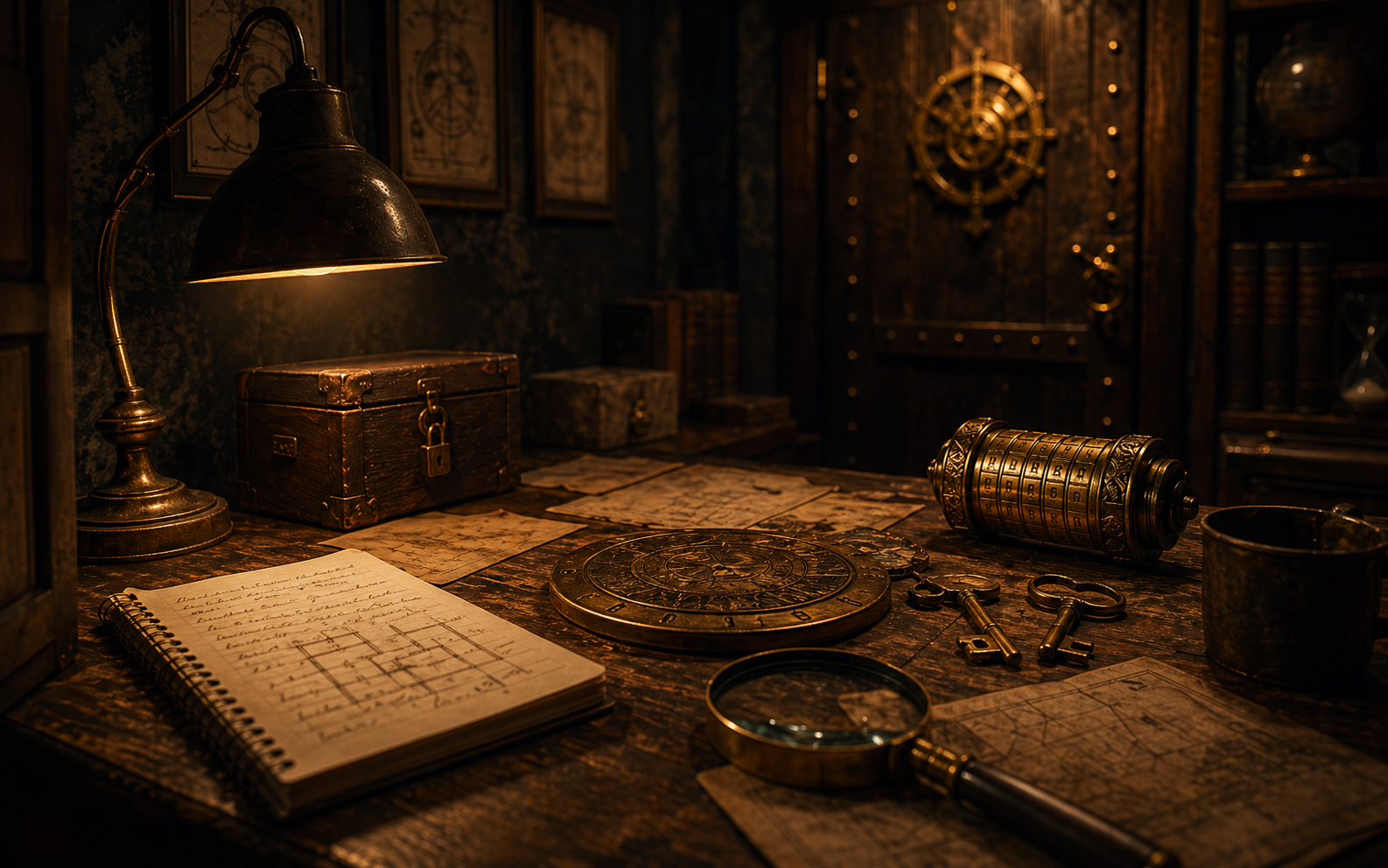
Six Locked Doors looks firmly old-school: a puzzle-first escape room built around sequential progress, codes, keys and the satisfaction of opening one barrier after another. If you enjoy the classic rhythm of a team splitting searches, cracking locks and pushing methodically onward, this should make immediate sense.
The hook is in the title itself. Rather than aiming for spectacle, the room seems to lean into a clean progression of obstacles, which can work well for players who like their escapes straightforward and readable. It is likely to reward careful communication and steady momentum more than bold leaps or clever theatrical misdirection.
That said, the public signal around the game is not especially flattering. One player summed it up as,
The whole thing felt muddled, with little sense of flow. That is a fair caution if your group likes tightly signposted logic and a smooth chain of reveals. If the room’s sequencing is loose, the experience may feel more frustrating than satisfying.
For that reason, Six Locked Doors is best suited to teams who are happy with a stripped-back, traditional challenge and are not chasing immersive set-piece drama or advanced tech. It does not appear to be scary, strenuous or especially ambitious in presentation, which makes it a decent fit for classicists but a weaker bet for players wanting a polished showcase.
In short, this is a room to consider if your ideal escape is all about locks, codes and familiar problem-solving. If you want atmosphere, narrative richness or a sharply choreographed flow, Bath has stronger options.
How It Compares
Six Locked Doors sits firmly in the classic lock-and-code camp, with its appeal rooted in sequential problem-solving rather than set-piece theatre. Immersion and technology look limited, so the room will suit players who value clear puzzle work over a polished narrative build.
Puzzle Focus
Strong
Immersion
Low
Technology
Very Low
Scare Factor
None
Physicality
Very Low
Uniqueness
Low
What To Expect
Lock-heavy flow
Expect a linear progression built around opening one barrier after another.
Classic puzzle style
The likely emphasis is on codes, keys, and careful search rather than spectacle.
Light production
Available details point to a functional setting with limited immersive dressing or theatrical framing.
Traditional feel
This seems aimed squarely at players who enjoy straightforward escape-room fundamentals.
What Players Are Saying
The whole thing felt muddled, with little sense of flow.
FlowI kept waiting for the logic to click, but it never did.
LogicMore confusing than clever, which made the game hard to enjoy.
EnjoymentReady To Play?
Book your mission.
Spots can change quickly. Gather your team, compare options, then choose the room that best fits the night.
Continue comparing
Same company
All by Bath Escape More from Bath Escape


Bath
All in Bath