Beverley, UK Players2-6 Duration100 min
Room 118
Beverley Breakout
A puzzle-led digital case with a clear investigative edge and plenty to untangle. Room 118 suits players who want a serious challenge, logical progression and a few neat surprises rather than big theatrical showmanship.

The Story
A Proper Brain-Bender
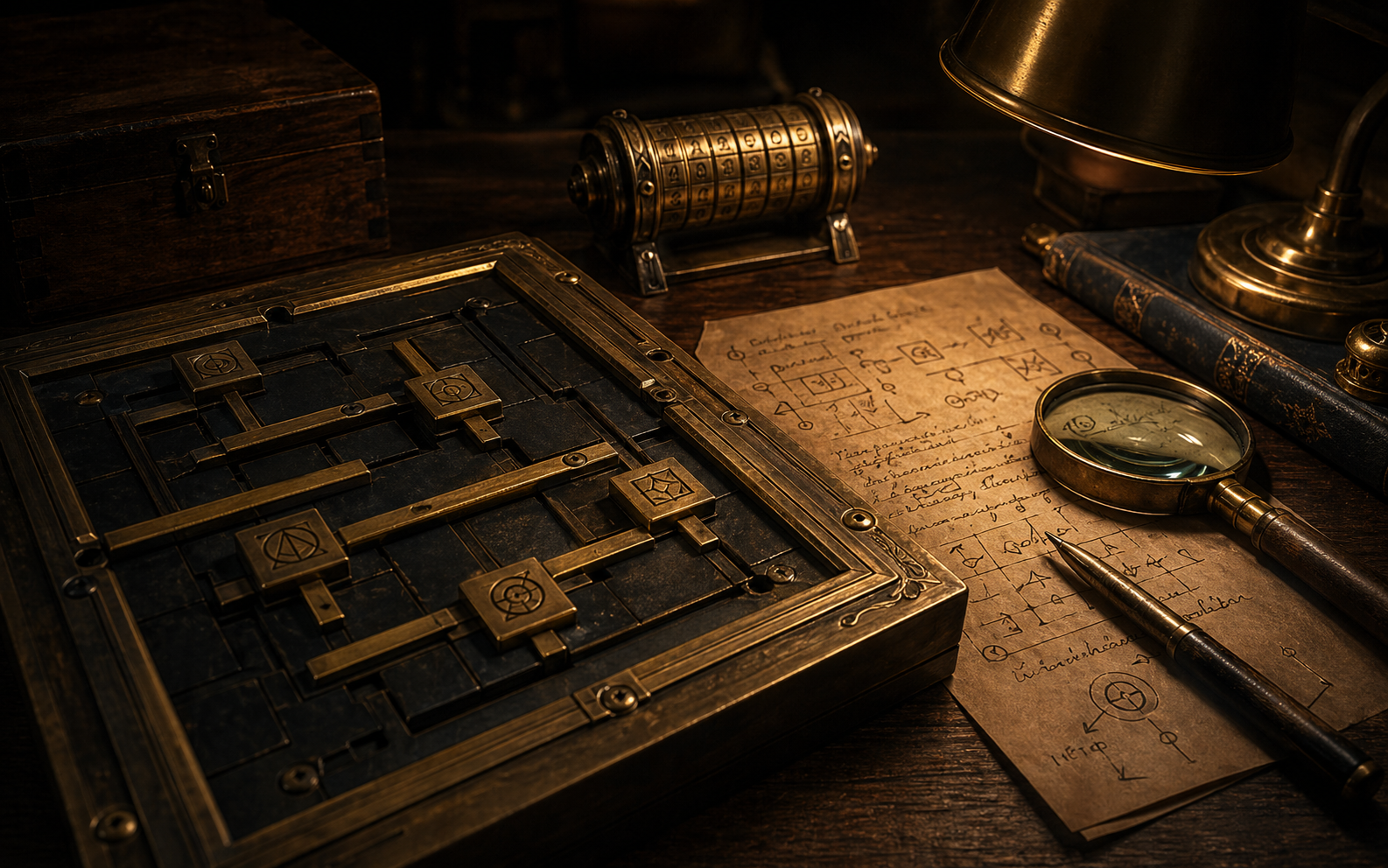
Room 118 is built for players who want substance over spectacle. This fully digitised replica of Beverley Breakout’s physical room leans into an investigative setup, with the sense of chasing an elusive thief through a contained hideout rather than stepping into a big theatrical set-piece. It is more case file than fright show, and that works in its favour if you want a clean, focused challenge.
The puzzle load is the real selling point. This is the sort of game that stays busy from start to finish, with a dense chain of clues, interesting mechanics and enough variation to stop it feeling like a single-note codefest. One fair summary is that it is a
proper brain-bender, but the logic mostly holds together well. The challenge is genuine, but it does not sound sloppy or arbitrary for the most part.
That makes it a strong fit for experienced escape-room players, especially smaller teams who enjoy collaborating closely and talking through every step. Beverley Breakout suggests 3 to 4 players as the sweet spot, and that feels right for a room like this. Two players may cope, but they will have plenty on their plate, while bigger groups should only book if they are happy to share the load.
Room 118 also seems to get by on a few pleasing surprises. The digital format is part of the appeal, not just a compromise, and the best descriptions point to little twists that keep the game fresh. It is
packed with puzzles, it kept our team busy from start to finish. That is exactly the sort of praise this room earns: not for atmosphere, but for giving puzzle fans enough to sink their teeth into.
How It Compares
Room 118 is a dense, clue-led game that prioritises logic and constant problem-solving over set-piece atmosphere. The digital format keeps physicality low, while the unusual mechanics and compact investigative shape give it a clear identity for seasoned players.
Puzzle Focus
Very Strong
Immersion
Moderate
Technology
Strong
Scare Factor
None
Physicality
None
Uniqueness
Good
What To Expect
Case-file feel
You are working through a contained investigation, with evidence, clues and deductions driving the pace.
Puzzle-dense build
Expect a substantial chain of problems that keeps the focus on thinking, sorting and linking ideas.
Digital delivery
The room is presented as a fully digitised replica, so the experience leans into remote interaction.
Small-group pressure
The structure should keep a tight group busy, with enough to share without losing momentum.
What Players Are Saying
Kept the action moving from first clue to final breakthrough, with very little slack.
Packed with puzzlesThe challenge lands well because the structure usually makes sense once you spot the pattern.
Logical and fairLittle surprises and varied interactions stop it feeling like a standard puzzle run.
Interesting mechanicsReady To Play?
Book your mission.
Spots can change quickly. Gather your team, compare options, then choose the room that best fits the night.
Continue comparing
Same company
All by Beverley Breakout More from Beverley Breakout



Beverley
All in Beverley