Glasgow, UK Players2-6 Duration75 min
Amnesia Room
Riddle Rooms
A cold, clinical escape with a strong story thread, logical puzzles and a properly uneasy mood. The multi-chamber layout gives it more shape than a standard hour-long room.
The Story
Clinical Tension, Clean Logic
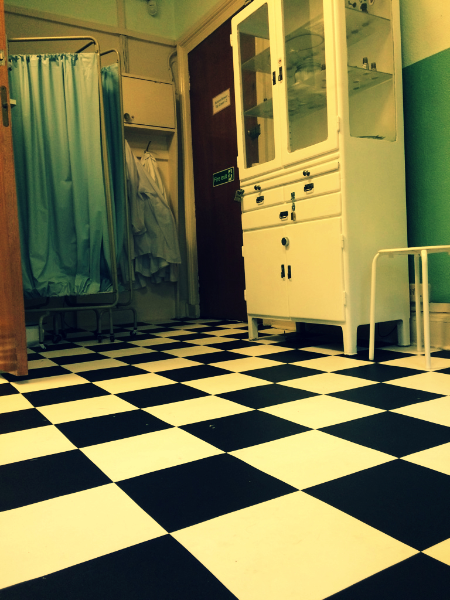
Amnesia Room leans into disorientation with real confidence. You wake in a cold treatment room with no memory, no clear explanation and just enough clinical detail to make the whole setup feel properly wrong. It is eerie rather than brutal, which makes it a strong choice for players who want atmosphere and narrative tension without tipping into full horror.
What lifts it above a standard medical-themed escape is the structure. This is a multi-chamber game, so the sense of gradually moving deeper into a facility gives the experience more shape and momentum than a single-room puzzle box. The result feels more like piecing together a situation under pressure than simply opening locks in sequence.
The puzzle design sounds clean and purposeful, with story and mechanics folded together neatly. That matters here, because the room is at its best when the logic feels earned and the team has to communicate across spaces. One fitting verdict puts it well: "The story and puzzles clicked together beautifully from the start."
This is a good room for pairs, trios and small groups that enjoy steady, story-led solving. It should also scale reasonably well if your team is larger, because there are moments where work can be split up before the clues are brought back together. If you like your escape rooms welcoming but not trivial, this sits in a very agreeable middle ground: "It felt logical, atmospheric, and just the right side of challenging."
The 75-minute run time gives it extra breathing room, which suits the slower burn of the premise and helps the room feel less rushed than the usual hour. Do not expect heavy tech or punishing physical demands. The appeal here is in the setting, the pacing and the way the game keeps pulling you further into the mystery.
The main caveat is accessibility: Riddle Rooms states there is no wheelchair access. Beyond that, Amnesia Room looks like a confident recommendation for players who value mood, teamwork and coherent storytelling over spectacle. If you are travelling for a well-built, slightly claustrophobic escape with a strong sense of place, this deserves attention.
How It Compares
Amnesia Room is strongest on puzzle-led teamwork and story integration, rather than spectacle. The multi-chamber medical premise gives it a properly uneasy atmosphere, and the clues are folded neatly into the narrative.
Puzzle Focus
Strong
Immersion
Strong
Technology
Low
Scare Factor
Low
Physicality
Low
Uniqueness
Good
What To Expect
Disorienting start
You wake in a treatment room with no memory, and the room quickly feels wrong.
Clinical unease
The hospital setting stays cold and unsettling without tipping into full horror territory.
Moving chambers
Progress unfolds across several spaces, giving the game a more facility-like structure.
Team coordination
Clues reward communication, split attention and joining information back together.
What Players Are Saying
The story and puzzles clicked together beautifully from the start.
Story integrationIt felt logical, atmospheric, and just the right side of challenging.
AtmosphereA really enjoyable game that stayed welcoming and fun throughout.
Overall feelReady To Play?
Book your mission.
Spots can change quickly. Gather your team, compare options, then choose the room that best fits the night.
Continue comparing
Same company
All by Riddle Rooms More from Riddle Rooms
Glasgow
All in Glasgow